Bee Merry: A Designer's Review for Holiday Collections
As an experienced embroidery designer, I spend a significant portion of my year planning for the seasonal rush. The transition from autumn to winter is not just about changing weather; it is about shifting the emotional tone of our products. When I first encountered the Bee Merry design, I immediately saw its potential as a cornerstone piece for upcoming holiday product lines. This isn't just another generic pattern; it is a strategic asset for any creator looking to elevate their seasonal offerings. Whether you are an Etsy seller preparing for Black Friday or a small business owner launching a limited-time drop, understanding the nuances of a digital file like this is crucial.
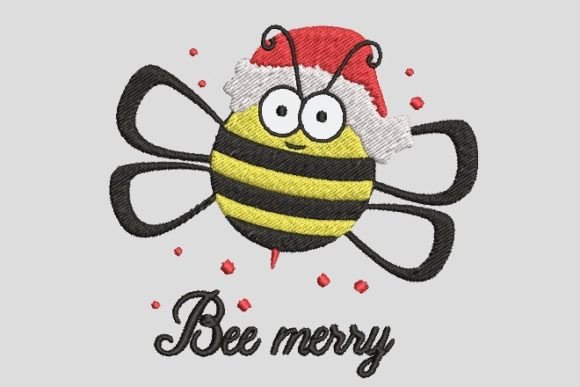
The first impression of Bee Merry is one of playful warmth. It strikes a perfect balance between rustic charm and modern cuteness. In a market saturated with traditional red and green motifs, this design offers a fresh, bee-centric twist that feels both nostalgic and contemporary. The emotional tone is undeniably cozy. It evokes the feeling of a quiet winter morning, a warm cup of tea, and the joy of giving handmade gifts. For designers building a collection, this mood is essential because it connects directly with the buyer's desire for comfort and connection during the holidays.
Integrating Bee Merry into Your Seasonal Product Line
When planning a seasonal shop collection, versatility is key. Bee Merry is designed to work across a wide array of items, making it a high-value addition to your inventory. Imagine the possibilities for a family matching set. You could create adorable baby onesies with the design, paired with adult sweatshirts featuring a larger version. This kind of coordination drives sales because customers love seeing cohesive family looks in their social media feeds.
For home decor enthusiasts, this design shines on kitchen towels and pillow covers. The textural contrast of the embroidery against a soft cotton towel creates a tactile experience that online shoppers crave. A tote bag embroidered with Bee Merry becomes more than just a bag; it transforms into a statement piece for holiday shopping trips. I have also seen great success using this motif on aprons for cooking classes or gift-ready products that include a personalized touch. The design works exceptionally well on fabric textures that can handle detail without losing definition.
If you specialize in wearable accessories, consider creating embroidered patches or applying the design to curved caps. However, this requires careful consideration of the garment type. While it fits beautifully on structured hats, stretchy garments might require specific stabilizers to prevent puckering. The goal is to ensure that every finished product reflects the premium quality that your brand stands for.
Strategic Selling and Visual Recognition
In the world of digital embroidery files, visual recognition is everything. During the holiday shopping period, customers make quick decisions based on how a product looks in a mockup. Bee Merry has strong visual hooks that perform well in printable mockups and social media previews. The playful nature of the bee combined with the festive greeting creates an immediate "click" factor for Etsy listings and craft fair displays.
This design is particularly effective for gift bundles. You can pair a sweatshirt with a matching ornament or a kitchen towel with a decorative pillow. These bundles increase the average order value and provide a complete solution for the gift-giver. When a customer sees a cohesive set, they are more likely to trust the quality of the individual items. Furthermore, the design supports personalized gifts. Adding a name or a date alongside the Bee Merry motif adds a layer of exclusivity that justifies a higher price point.
For small shop owners, time is money. The fact that this machine embroidery design comes with multiple file formats means you can use it on various machines without needing to re-digitize or compromise quality. This efficiency allows you to focus on marketing and customer service rather than technical troubleshooting. When you present a finished product that looks crisp and professional, you build long-term customer trust and encourage repeat business.
Critical Considerations for Production Success
While Bee Merry is a versatile design, no embroidery project is without its challenges. As a designer, I always advise testing before mass production. There are specific scenarios where caution is required to maintain the integrity of the final look.
- Hoop Size and Detail: If you are working with a small hoop size, pay close attention to the lettering. Tiny details can sometimes get lost if the stitch density is too high or if the thread tension is off. Always review the small details after stitching to ensure clarity.
- Fabric Selection: Thick towels and dark fabrics present unique hurdles. On dark fabric, the underlay stitches must be sufficient to hide the base material, but not so heavy that they distort the design. Similarly, thick terry cloth may require a different approach to stabilizer placement.
- Thread Choice: Metallic threads can add a luxurious feel, but they often require special needles and slower speeds. If you plan to use metallics, test them thoroughly to avoid breakage. Also, consider how the thread colors interact with the fabric texture. A color that looks vibrant on a screen might appear muted on a textured linen.
- Washability: For items that need repeated washing, such as kitchen linens or children's clothing, the stitch density must be robust enough to withstand friction. Check the stability of the design on a wash test before selling.
It is vital to confirm commercial licensing before selling finished seasonal products. Using a digital embroidery file for resale requires clear rights. Ensure that the license terms allow for unlimited production if you plan to scale up your inventory. Additionally, check the specific hoop size recommendations provided by the digitizer. If the design exceeds the capabilities of your standard hoops, you may need to adjust the placement strategy or split the design.
Planning Your Color Palettes and Mockups
To truly maximize the appeal of Bee Merry, you must think about color psychology. For a Christmas collection, classic combinations like gold and navy, or cream and forest green, work wonderfully. However, don't be afraid to experiment with modern palettes like mustard yellow and charcoal for a more contemporary look. Creating realistic mockups that showcase these color variations helps buyers visualize the product in their own homes.
When creating promotional graphics, focus on the emotion the design conveys. Is it rustic? Is it elegant? The background of your mockup should complement the Bee Merry aesthetic. If the design is playful, use bright, cheerful backgrounds. If it is meant to be sophisticated, opt for softer, neutral tones. Consistency in your branding ensures that customers recognize your shop as a source of high-quality, curated holiday goods.
Finally, remember that the success of your seasonal drop depends on preparation. Plan your matching color palettes early, confirm the stabilizer needs for each fabric type, and run test stitches on scrap material. By taking these practical steps, you ensure that every Bee Merry product that leaves your studio meets the highest standards of craftsmanship.
In conclusion, Bee Merry is more than just a festive graphic; it is a tool for building a profitable and beloved holiday collection. Its ability to adapt to various products, from tote bags to baby items, makes it an invaluable resource for creators. By paying attention to the technical details and focusing on the emotional connection it brings to your customers, you can create memorable experiences that drive sales and foster loyalty throughout the holiday season.