Christmas Treats: A Designer's Real-World Review
When I first opened the file for Christmas Treats, my immediate reaction wasn't about stitch counts or file formats. It was about the mood. There is a specific energy required to make a holiday design feel fresh rather than cliché, and this piece manages to strike that balance with surprising ease. As someone who spends their days evaluating digital assets for commercial production and personal gifts, I am always looking for designs that offer more than just a seasonal graphic; I need something that holds up under the scrutiny of a finished product.
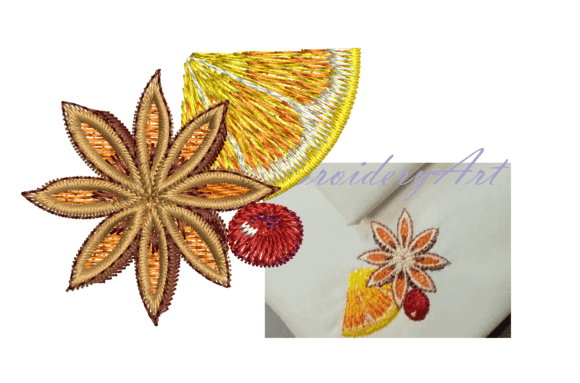
The description promises a festive mood perfect for napkins and gifts, but as a designer, I look past the marketing copy to see how the actual construction translates to fabric. The layout feels organic, suggesting a collection of sweets or baked goods rather than a rigid geometric pattern. This gives it a softer, handcrafted personality that fits perfectly into the current trend of "cozy" aesthetics in handmade shops. It doesn't scream for attention like some bold, oversized graphics; instead, it invites the viewer in, which is exactly what you want for a personalized gift or a boutique item.
From Digital File to Finished Product
Let's talk about where this design actually shines in a real-world scenario. Imagine you are an Etsy seller preparing your inventory for the holiday rush. You have a stack of high-quality canvas tote bags sitting on your table, waiting for decoration. Most Christmas designs available today are either too large for a tote front pocket or too small to make an impact. Christmas Treats sits in that sweet spot.
I visualized stitching this onto a natural-colored canvas bag. The contrast would be stunning if paired with deep red threads against the neutral background. It transforms a standard utility item into a charming holiday accessory. Similarly, think about baby items. Parents often want subtle yet festive decorations for nursery decor or baby blankets. The detail level here seems appropriate for a chest placement on a onesie or a corner accent on a receiving blanket. It avoids being overwhelming while still clearly communicating the season.
For those running a small shop selling aprons or kitchen towels, this design is a no-brainer. The concept of "treats" aligns naturally with culinary themes. Stitching this on a linen tea towel creates a cohesive look that customers can immediately understand and appreciate. It elevates the perceived value of the item because it looks intentional and professionally executed, not just slapped on with a generic font.
Technical Considerations for the Workshop
While the aesthetic appeal is strong, a professional review must address the technical realities of machine embroidery. Not every surface is created equal, and knowing where to place Christmas Treats is just as important as knowing how to stitch it.
If you are planning to use this on a curved surface like a baseball cap, proceed with caution. While many designs adapt well to curves, intricate details can sometimes get lost or distorted when pulled tight around the crown of a hat. If the design features tiny lettering or very fine lines, these might become muddy on a small hoop size. Always test the design on scrap fabric that matches the texture and stretch of your final project before committing to the saleable item.
Fabric choice is another critical factor. Embroidery thrives on stability. If you are working with thin, stretchy fabrics like jersey or lightweight cotton blends, you will need a heavy-duty stabilizer to prevent puckering. The density of the stitches in Christmas Treats needs a solid foundation. For dark fabrics, the thread color selection becomes paramount. You cannot simply assume white thread will pop; you may need to layer a cutaway stabilizer or use a contrasting underlay to ensure the design stands out against the background.
There are also limitations regarding frequent washing. If you intend to sell these items as durable, washable merchandise, check the stitch density carefully. Areas with high fill stitch concentrations can sometimes trap lint or water, leading to wear over time. Running stitch elements should be checked for length; if they are too long, they might snag on rough surfaces. These are the kinds of details that separate a hobbyist project from a professional commercial product.
Maximizing Visual Appeal and Brand Consistency
In the world of craft businesses, consistency is key. Your customers return because they trust your brand's quality. Using a design like Christmas Treats allows you to maintain a cohesive theme across different products. Whether it appears on a sweatshirt, a pillow cover, or a patch, the visual language remains the same. This recognition builds customer trust.
When creating printable mockups for your online listings, consider how the design interacts with light and dark backgrounds. A design that looks great on a white screen might disappear on a black one without proper thread adjustments. Test your digital previews by converting them to grayscale to ensure the contrast holds up. This step ensures that what the customer sees in the listing matches the reality of the finished product.
The emotional connection of a holiday design is powerful. A customer buying a personalized gift isn't just buying a stitched image; they are buying a memory. Christmas Treats evokes warmth and nostalgia. When applied to a custom apron for a grandmother or a set of napkins for a family gathering, the design adds a layer of sentimentality that mass-produced items simply cannot match. This is why paying attention to the fine details of the embroidery file matters so much.
Practical Steps Before You Start Stitching
Before you run a hundred copies of this design through your machine, there are a few non-negotiable steps for any serious designer or business owner.
- Test on Scrap: Never skip this. Use the exact fabric and stabilizer combination you plan to use for the final product. Check how the threads lay and if the fabric pucks.
- Check Thread Colors: Ensure the thread palette offers enough contrast for your intended background. Sometimes a slight adjustment in thread shade can save a design from looking dull.
- Hoop Size Verification: Confirm the recommended hoop size for the design. Attempting to fit a large design into a small hoop can lead to distortion, while a tiny design in a large hoop might lack precision.
- Licensing Review: If you are selling finished items, double-check the license terms. Some files allow personal use only, while others permit commercial sales. Understanding these boundaries protects your business.
- Inspect Small Details: Zoom in on the digital file. Are there any stray stitches or overly dense areas that could cause needle breakage? Inspecting the file beforehand saves hours of frustration later.
Ultimately, Christmas Treats is more than just a file; it is a tool for creating joy. Whether you are a seasoned pro looking to expand your holiday catalog or a hobbyist wanting to make a special gift for a loved one, this design offers a solid foundation for creativity. It respects the craft of embroidery while delivering a festive result that feels authentic and polished.
By taking the time to evaluate its strengths and limitations, you ensure that every stitch contributes to a high-quality finished product. In a market flooded with generic options, choosing a design with character and practicality is the smartest move you can make for your craft business or personal projects.