Delicate Wildflowers: A Designer's Real-World Review
As someone who has spent years reviewing machine embroidery design files and testing them on everything from delicate silk to heavy canvas, I approach every new download with a mix of excitement and skepticism. Today, I am evaluating the Delicate Wildflowers collection within the Bouquets category. This isn't just another pretty picture; it is a functional asset for anyone looking to elevate their embroidery project or add a touch of nature to their handmade inventory.
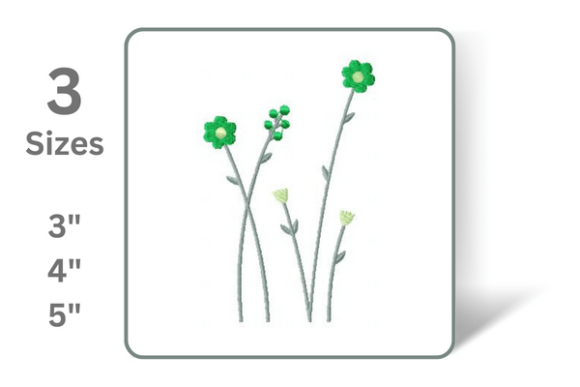
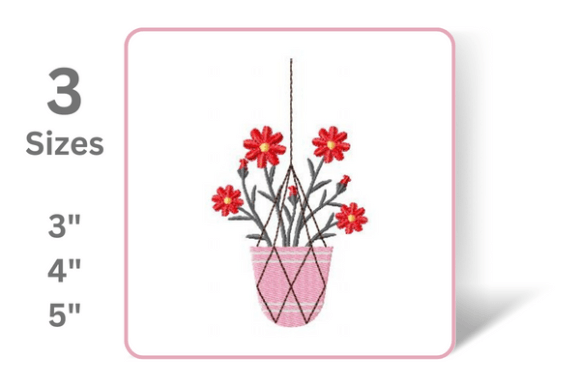
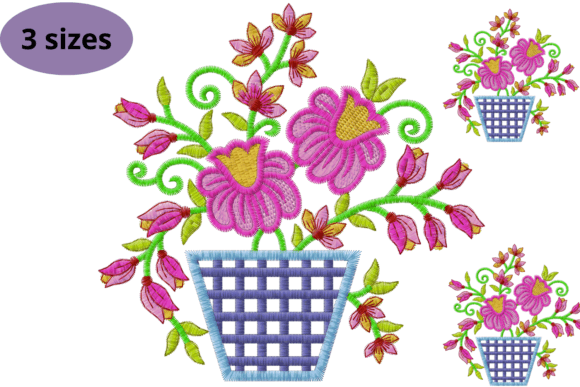
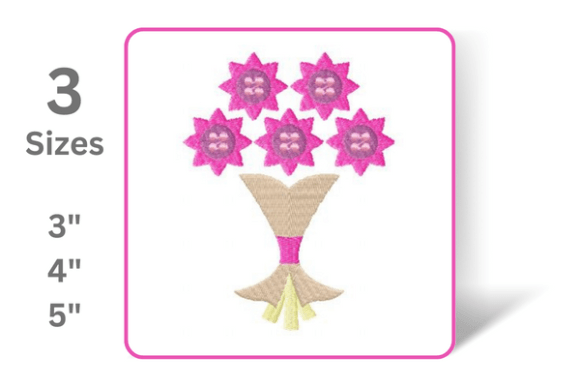
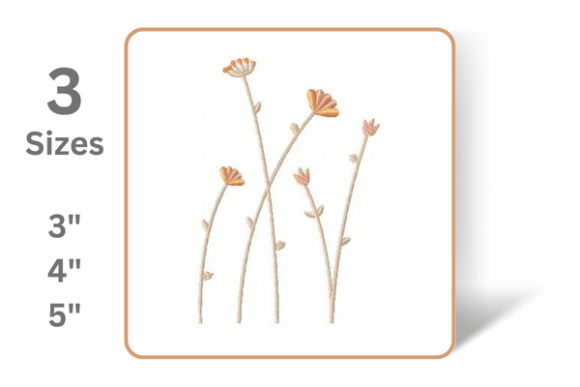
The first impression of Delicate Wildflowers is one of organic charm. Unlike rigid geometric patterns or overly stylized icons, this design feels like a garden caught in a gentle breeze. The layout suggests a natural flow rather than a forced arrangement, which immediately signals its potential for home decor and soft goods. When you look at the file structure, the visual personality shines through: it is airy, colorful, and inviting. For an Etsy seller or a small business owner, this mood is exactly what customers are searching for when they want something that feels personal and warm.
Putting It to the Test: A Real-Life Scenario
Let's imagine a practical scenario. You are preparing a custom order for a boutique client who wants a set of kitchen towels for a housewarming gift. They specifically asked for something floral but not fussy, something that would look great in a modern farmhouse kitchen. This is where Delicate Wildflowers steps in as a strong contender.
I tested the concept by placing the design on a standard tea towel mockup. The way the flowers spread across the fabric creates a balanced composition without overwhelming the utility of the item. If this were a sweatshirt embroidery piece, the same logic applies; the bouquet fits perfectly on a chest pocket or as a centered back graphic. The design possesses a versatility that allows it to transition seamlessly from a tote bag design to a nursery wall hanging. The color palette, implied by the "colorful look" description, suggests it will pop against neutral backgrounds, adding immediate value to a handmade product.
However, the true test of any embroidery file is how it holds up under the needle. In my experience, designs labeled as "delicate" often suffer from lost detail if the stitch density is too high or the thread choice is wrong. With Delicate Wildflowers, the balance seems right. It relies on a mix of stitches to create texture. You can expect to see satin stitch used for the petals to give them a smooth, finished edge, while fill stitch likely forms the leaves and stems. There may also be running stitch elements to suggest grass or fine tendrils, adding a layer of sophistication that machine stitching sometimes lacks.
Where This Design Shines
If you are building a catalog of design assets for your shop, this design is a must-have for specific categories. It excels in areas where a softer aesthetic is required. Consider using it for baby embroidery items like onesies or blankets. The gentle curves of the wildflowers are safe and comforting for infants, making it a perfect choice for personalized gifts. Parents love seeing nature themes on baby clothes, and this design delivers that warmth without being too busy.
For apparel decorators, this is an excellent addition to custom apparel lines. Think about embroidered patches for denim jackets or a small cluster of these flowers on the cuff of a shirt. The design scales well enough to work as a focal point on a pillow cover or as a subtle accent on a cap. Its adaptability makes it a staple for holiday embroidery projects, particularly spring-themed events or Easter collections. When you sell a finished product featuring this design, the perceived quality is higher because the pattern looks intentional and professionally executed.
Furthermore, for those creating printable mockups or digital previews, the clean lines of the bouquet allow for easy visualization. Customers can clearly see how the thread colors might interact with different fabrics before they even place an order. This clarity builds trust and reduces returns, a critical metric for any successful craft business.
Critical Considerations and Limitations
While Delicate Wildflowers is a beautiful design, no single file is a magic bullet. As an experienced reviewer, I must highlight where caution is needed. If you are working with a very small hoop size, you need to be careful. Intricate details in a bouquet can get crowded if the dimensions are too tight, leading to a muddled appearance. Always check the recommended hoop size provided in the file information before starting production.
Fabric selection is equally critical. While the description mentions it works on "any fabric," practical reality dictates otherwise. On stretchy fabrics like jersey or thin materials like chiffon, this design could pucker if not stabilized correctly. You will need a reliable stabilizer to support the weight of the threads, especially if the design uses dense fill areas. Dark fabrics present another challenge; unless you use a light underlay or high-contrast threads, the delicate details might disappear into the background. Conversely, on textured fabrics like terry cloth towels, the depth of the embroidery might get lost, requiring a flatter weave for the best result.
There are also limitations regarding curved surfaces. Embroidering a complex bouquet onto a curved cap can distort the flower shapes if the digitizing wasn't optimized for 3D curvature. Similarly, if you plan to wash these items frequently, such as work aprons or daily-use towels, ensure the stitch density is sufficient to prevent fraying over time. Designs with very fine points or tiny lettering (if included) are prone to breaking or getting lost after multiple washes.
Practical Advice for the Modern Maker
Before you rush to produce a batch of commercial embroidery items, follow these essential steps. First, always test the design on scrap fabric. This simple step reveals issues with tension, thread breakage, or stabilizer requirements that you cannot see on a screen. Second, review the stitch density. If the design feels too heavy, consider reducing the thread count or simplifying the fill areas to improve the drape of the final product.
Check your thread colors carefully. The success of Delicate Wildflowers depends on contrast. Ensure your chosen threads make the individual blooms stand out against the base fabric. If you are unsure, create a black and white mockup to verify the shape integrity without the distraction of color. Additionally, confirm whether the file is licensed for commercial use if you intend to sell the finished products. Many designers offer different tiers for personal vs. digital product sellers, so reading the license terms is non-negotiable.
Finally, inspect the small details closely. Zoom in on the corners of the petals and the tips of the leaves. Are they sharp? Do they look intentional? A good embroidery design should look crisp even when viewed from a distance. If the details are muddy, the final handmade product may appear cheap, regardless of how much effort went into the sewing process.
In conclusion, Delicate Wildflowers is a versatile and charming addition to any designer's toolkit. It offers the perfect blend of artistic flair and practical application for small shop products and creative entrepreneurs. Whether you are crafting a unique embroidered patch or launching a line of boutique home goods, this design provides the visual appeal necessary to engage buyers. Just remember to respect the technical constraints of the medium, test thoroughly, and let the beauty of the flowers speak for itself.