Wine Tasting 10 Review for Craft Fair Success
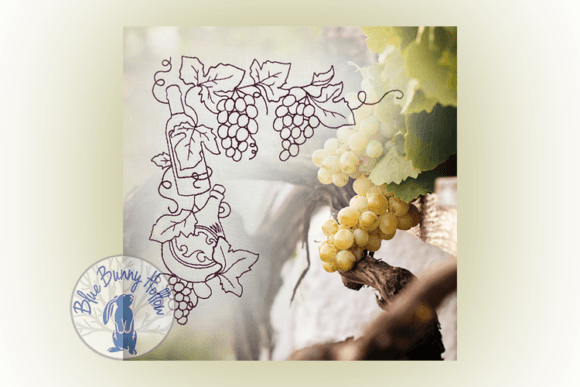
As an experienced embroidery designer who has spent countless weekends setting up booths at local craft fairs, I know that the difference between a design that gathers dust and one that sells out in minutes often comes down to execution and product selection. Today, I am reviewing Wine Tasting 10, a machine embroidery design described as an exquisite linework masterpiece featuring lush grapevines and succulent grapes. My goal is to determine if this digital embroidery file is ready for prime time on your next handmade market table.
First Impressions: Elegance Meets Rustic Charm
The moment you open the file for Wine Tasting 10, the description suggests a sophisticated yet approachable aesthetic. The mention of "exquisite linework" and "delicate" details immediately signals that this is not a bold, blocky graphic, but rather something refined. For a craft fair booth, this translates to a vibe that is both elegant and rustic. It captures the essence of wine culture without being overly pretentious. This balance is crucial for selling to a broad audience that includes home bakers, sommeliers, and general craft enthusiasts.
In a sea of generic floral patterns, the specific focus on "lush grapevines" gives Wine Tasting 10 a distinct identity. It feels premium enough to justify a higher price point on a finished product while remaining soft and decorative enough to appeal to gift buyers. When customers walk past your booth, they are drawn to items that look like they belong in a curated boutique, and this design fits that mold perfectly.
Product Potential: Where Wine Tasting 10 Shines
Not every design works well on every item. Based on the intricate nature of the linework described, I have evaluated where Wine Tasting 10 will perform best for your Etsy listings and physical displays.
- Tote Bag Design: This is perhaps the strongest candidate. A large tote bag offers ample space for the "lush grapevines" to breathe. Placing Wine Tasting 10 on a canvas or denim tote creates a functional accessory that looks like high-end art. It photographs beautifully for online listings, making it a top seller for the Etsy seller looking to expand their shop.
- Apron Embroidery: For the chef or wine enthusiast, an apron featuring this design adds a touch of personality to the kitchen. The linework stands out well against solid colors like navy, sage, or cream, turning a basic utility item into a conversation starter.
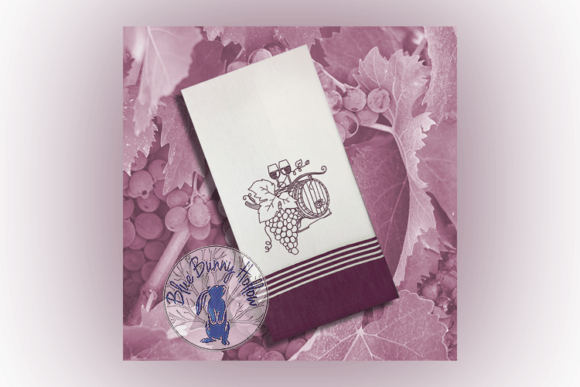
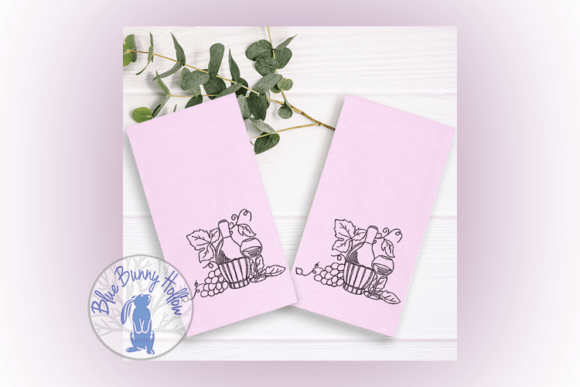
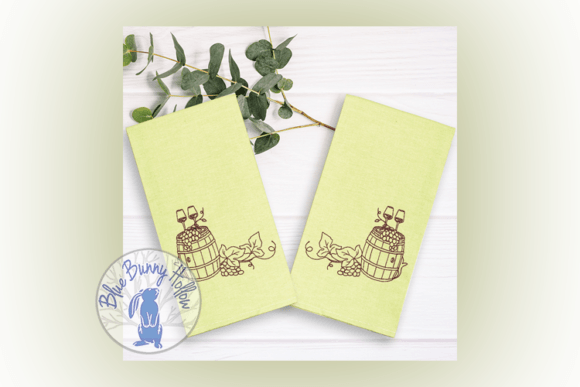
- Tea Towel Embroidery: Kitchen towels are classic craft fair products. The delicate nature of the design ensures it doesn't overwhelm the fabric texture. However, you must ensure the stitch density isn't so high that it makes the towel stiff, which would deter buyers who want soft, usable linens.
- Embroidered Patch: If you are creating detachable patches, Wine Tasting 10 works well as a focal point. The grapevine motif is easily recognizable even when scaled down slightly, provided the background stitching is clean.
- Pillow Covers and Small Pouches: These items benefit from the "succulent grapes" detail. A small pouch with this design feels like a thoughtful, giftable handmade item, perfect for wedding favors or bridal showers.
Production Practicality and Batch Selling
For the embroidery business owner or boutique maker, efficiency is key. Does Wine Tasting 10 allow for batch production? The answer depends heavily on the actual stitch count and density, which you must verify before running a large order. If the design relies on too many tiny fill stitches, it may take a long time to digitize and execute, eating into your profit margins.
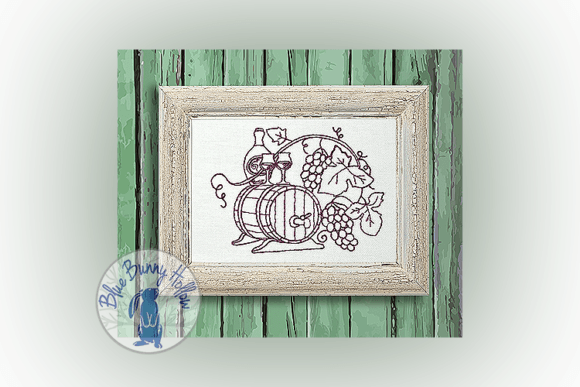
However, assuming the design is optimized, its repetitive vine pattern makes it highly repeatable. You can create a cohesive collection by varying the thread colors—using deep burgundies for the grapes and olive greens for the leaves. This consistency strengthens your brand identity at the booth. Furthermore, because the design is primarily linework, it should photograph exceptionally well for your printable mockups. Customers need to see the clarity of the lines to appreciate the value of the finished product.
Critical Considerations for Commercial Embroidery
Before you rush to produce inventory, there are specific technical hurdles you must address to ensure customer satisfaction. The description highlights "intricate" details, which requires careful handling during production.
- Stitch Density and Fabric Texture: Dense stitch areas can sometimes cause puckering, especially on thinner fabrics like linen tea towels. You must test the design on scrap fabric to check how the stitch density interacts with the material. On textured towels, tiny details might get lost in the weave.
- Hoop Size and Spacing: Ensure the hoop size accommodates the full width of the grapevine spread. If the design is too wide for standard hoops, you may need to split the file or use a larger commercial frame, which complicates the process.
- Thread Contrast: The beauty of linework relies on contrast. On dark fabric, light threads may not pop unless you use a heavy underlay. Conversely, dark threads on black fabric will disappear. Always compare thread colors against your chosen fabric swatches.
- Small Lettering and Details: If the design includes any text or very fine tendrils, be wary of using it on curved surfaces like caps. Curved cap surfaces often distort fine details, making the design look muddy. Stick to flat items like bags and pillows for maximum clarity.
- Stabilizer Selection: To maintain the integrity of the "exquisite linework," you cannot skimp on stabilizers. Use a tear-away or cut-away stabilizer appropriate for the fabric weight to prevent distortion during washing.
Maximizing Visual Appeal and Customer Engagement
At a craft fair, your display needs to do the talking. Wine Tasting 10 has the potential to elevate your booth's visual appeal significantly. By placing embroidered pieces with this design together, you create a thematic zone that draws buyers in. The "wine culture" theme resonates with adults, allowing you to position your small shop product as a sophisticated gift option.
To maximize sales, consider creating a "tasting flight" of products—a set of matching coasters, a small pouch, and a tote bag all featuring variations of the design. This encourages customers to buy more than one item. The design's elegance supports a higher perceived value, meaning you can charge a premium for the labor-intensive nature of the work.
Final Designer Notes for the Weekend Seller
Before you commit to a full run of commercial embroidery products, remember that testing is non-negotiable. Create at least one real mockup to see how the design holds up in person versus on a screen. Verify the digital embroidery file specifications, including the exact stitch count and format compatibility with your machine. Most importantly, confirm your commercial licensing terms to ensure you are legally allowed to sell finished goods made from this design.
If you handle the technical details correctly, Wine Tasting 10 has the potential to become a signature piece in your collection. It balances artistic flair with marketability, making it an ideal choice for cricut and embroidery crafters looking to add a touch of class to their handmade offerings. With the right preparation, this design will not just sit on your table; it will fly off it.