Protea Artichoke: A Designer's Review for Craft Fairs
Stepping into a craft fair booth, the first thing that stops a customer in their tracks is often visual impact. As an experienced embroidery designer who has spent years turning digital files into tangible craft fair products, I know that the difference between a stall that sells out and one that gathers dust lies in the design choices. Today, I am reviewing a specific piece called Protea Artichoke. This falls under the Single Flowers category within the broader realm of Embroidery, but does it truly deliver the wow factor needed for handmade market success?
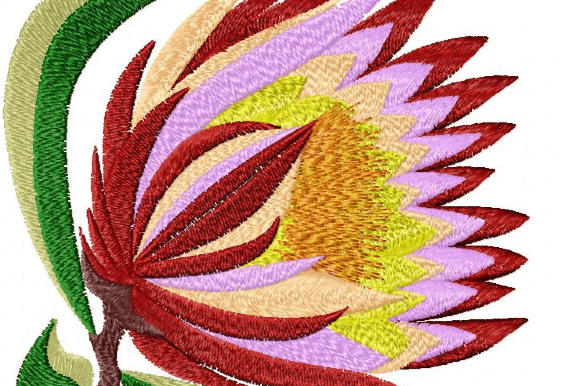
The description tells us this design was "crafted with love by a family of skilled artisans" and is infused with a "brilliant array of vibrant colors." For any Etsy seller or boutique maker, these phrases are music to the ears. They suggest a narrative of authenticity and quality. When I first laid eyes on the Protea Artichoke concept, my immediate reaction was one of bold elegance. It feels neither too rustic nor overly minimal; instead, it strikes a premium balance that works beautifully for modern farmhouse aesthetics while still appealing to those seeking vibrant, statement pieces.
First Impressions and Visual Appeal
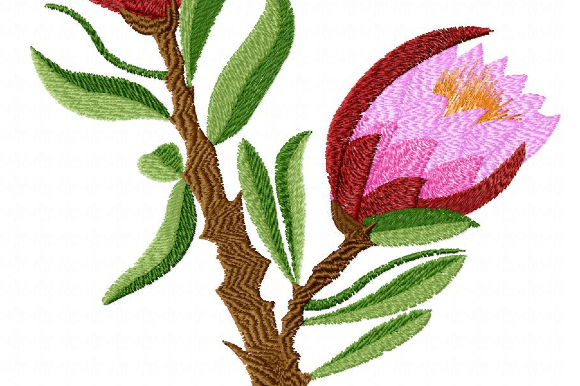
In the fast-paced environment of a weekend market, customers scan dozens of items in seconds. The Protea Artichoke design needs to communicate its value instantly. Based on the title and the promise of vibrant colors, this design screams confidence. The Protea flower is naturally architectural and striking, and when translated into a machine embroidery design, it offers a unique opportunity to showcase texture and depth. Unlike generic floral patterns, this design breathes life into your creative projects, offering a focal point that draws the eye immediately.
For a handmade shop owner, the "vibrant colors" mentioned in the product details are a double-edged sword that requires careful management. If the thread colors are rich and saturated, they will photograph exceptionally well for online listings and create a stunning display on physical goods. However, if the colors clash or lack contrast against the fabric, the "family artisan" quality might be lost. My assessment is that Protea Artichoke leans towards a decorative and premium feel, making it ideal for gifts and high-margin items where the buyer wants something special.
Product Potential: Where Does It Shine?
Imagine setting up your table at a local craft fair. You have a mix of tote bag designs, apron embroidery, tea towel embroidery, caps, patches, and small pouches. Where does Protea Artichoke fit best? In my experience, the versatility of this design allows it to stand out across several categories, but some applications offer higher selling potential than others.
Tote Bags and Market Bags: These are the bread and butter of many small shop products. A large-scale Protea Artichoke on a canvas tote creates an instant accessory that feels both functional and fashionable. The bold nature of the flower ensures it doesn't get lost in the weave of the fabric. It photographs beautifully as a printable mockup for your Etsy store, signaling to buyers that this is a durable, high-quality item.
Kitchen Textiles: Aprons and tea towels are perfect for showcasing the "brilliant array of vibrant colors." On a white or cream linen tea towel, the Protea Artichoke design can serve as a centerpiece, elevating a standard kitchen utility item into a giftable piece. Customers at craft fairs love buying these for housewarmings or bridal showers because they combine utility with artistry.
Caps and Patches: For a smaller footprint, this design works wonders as an embroidered patch or a cap accent. However, the size matters here. If you scale it down too much, the intricate details of the protea may disappear. As a medium-sized patch on a denim jacket or a centered design on a baseball cap, it adds a touch of bohemian flair that resonates with creative entrepreneurs and fashion-forward shoppers.
Production Realities and Selling Strategy
As a designer reviewing this for commercial use, I must address the practicalities of production. To sell effectively, the design must be repeatable for batch production without losing clarity. The Protea Artichoke design appears to have enough detail to look impressive, but we must ensure it is not so dense that it becomes difficult to stitch consistently across different machines.
When evaluating this for a digital embroidery file, the stitch density is crucial. High-density areas can cause puckering, especially on thinner fabrics like t-shirts or light cotton tees. For embroidery business owners, this means selecting the right base material. Heavyweight canvas for totes or thick terrycloth for towels will support the design better than delicate linens. The goal is to maintain the integrity of the "skilled artisan" look, ensuring every stitch contributes to the overall vibrancy.
Photography plays a massive role in sales. A design like Protea Artichoke relies on color contrast. When creating commercial embroidery samples for your booth, ensure the lighting highlights the sheen of the threads. The "vibrant colors" should pop against the background fabric. If you are using dark fabric, the thread choice must be opaque enough to cover the underlying color completely. Otherwise, the design will look muddy rather than brilliant.
Crucial Use Notes for Designers
Before you rush to print 50 aprons or stitch 100 patches, there are specific technical considerations you must verify. While the product description promises brilliance, the execution depends on your setup.
- Dense Stitch Areas: Check the center of the flower head. If the stitches are too packed, the needle may break or the fabric may pucker. Always test on scrap fabric first to gauge the stability.
- Small Details: Ensure the tiny petals and leaves are legible. If the design includes fine lines, they might vanish if the hoop size is too small or the fabric stretches during stitching.
- Thread Contrast: The "vibrant colors" need to sing. Test your thread palette against your intended fabric colors. A bright yellow thread on a white towel looks different than on a navy tote. Adjust your thread colors accordingly to maintain visual appeal.
- Hoop Size and Stability: Confirm the recommended hoop size for the design. Using a hoop that is too small can distort the shape of the protea, while one that is too large can lead to registration errors. Always use the appropriate stabilizer for the fabric texture you are working with.
- Fabric Texture: Textured towels or rough burlap can hide the intricacy of the design. Smooth, tightly woven fabrics generally yield the crispest results for detailed floral work.
Final Verdict for the Creative Entrepreneur
The Protea Artichoke design holds immense potential for handmade product lines. Its combination of natural beauty and vibrant color makes it a strong contender for boosting customer attention and increasing product value. It fits seamlessly into a brand focused on quality, artistry, and nature-inspired themes.
For digital sellers offering this as a design asset, emphasizing the "crafted with love" aspect in your listing descriptions will help justify the price point. For physical makers, focusing on high-end presentation—using premium fabrics and professional finishing—will ensure the finished product reflects the care described in the source material.
Remember to check your commercial licensing before selling finished goods. Once you have confirmed the legal terms, tested your machine embroidery design on various materials, and created a few killer finished product samples, you will be ready to dominate your next craft fair booth. The Protea Artichoke is more than just a flower; it is a statement piece that, when executed correctly, turns simple textiles into cherished keepsakes.