Spring Sneaker 6: A Designer's Review for Craft Fairs
I have spent years curating digital embroidery files for my own boutique and helping other handmade shop owners find designs that actually move inventory. When I first saw the title Spring Sneaker 6, I immediately thought about the bustling energy of a weekend craft fair. There is something inherently cheerful about combining footwear with florals, but as a professional designer, I need to look past the cute concept and evaluate the practical application. This review is not just about how pretty the design looks on a screen; it is about whether Spring Sneaker 6 will stand out in a sea of handmade goods and drive sales at your booth.
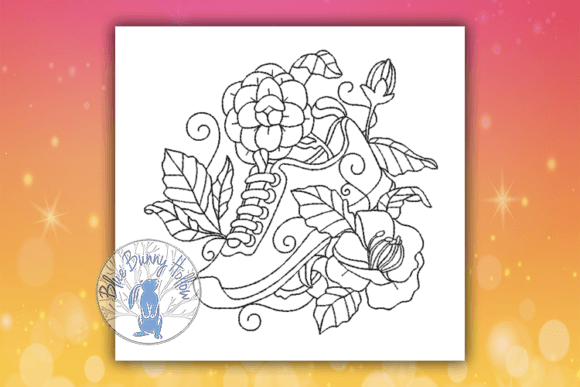
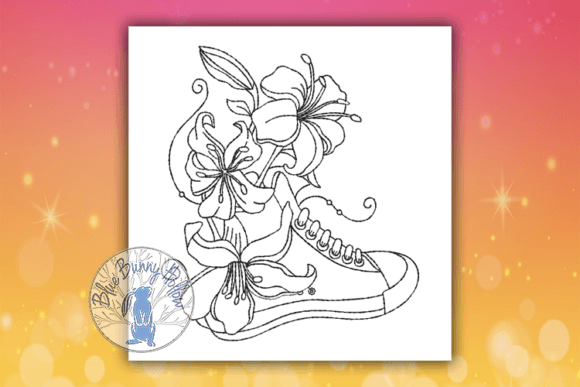
The description paints a picture of an eye-catching redwork embroidery design featuring a stylish tennis shoe adorned with delicate flowers. For those of us selling at markets, redwork is a goldmine. It offers high contrast without the bulk of heavy fill stitches, making it perfect for crisp details on fabric. My first impression of this design is that it strikes a balance between modern streetwear vibes and rustic farmhouse charm. It feels fresh, playful, and undeniably spring-like. In a crowded market aisle, a design that reads as both trendy and traditional often captures attention faster than overly complex or purely minimalist pieces.
Where Spring Sneaker 6 Shines on the Table
Imagine setting up your display table. You have stacks of tote bags, hanging aprons, and neatly folded tea towels. Where does Spring Sneaker 6 fit best? Based on the visual description of a sneaker with floral accents, this machine embroidery design works exceptionally well as a focal point on canvas products. The most obvious candidate is the tote bag. A redwork sneaker on a natural linen or sturdy cotton tote creates a striking image that customers can see from across the room. It suggests a lifestyle of active living mixed with garden parties, which appeals to a wide demographic.
However, the versatility of this design asset extends far beyond bags. I would strongly consider placing this embroidery file on kitchen aprons and tea towels. The "sneaker" theme pairs surprisingly well with the idea of "comfortable home life." Imagine a white apron with the redwork shoe and flowers near the pocket; it tells a story of getting ready for work or play. Similarly, small fabric pouches or cosmetic bags are excellent candidates for batch production. Because the design features delicate flowers, it adds a touch of elegance to items that might otherwise be purely functional.
For smaller product lines, such as embroidered patches or cap embroidery, this design holds promise. The outline-heavy nature of redwork usually translates well to patches, provided the backing is stable. On caps, the curved surface can be tricky, but if the hoop size is appropriate, the sneaker shape could sit perfectly on the front panel, offering a unique alternative to standard floral or text logos. If you are an Etsy seller looking to create printable mockups, this design offers great potential for visualizing products before they are even stitched.
Production Realities and Batch Potential
When evaluating Spring Sneaker 6 for commercial embroidery, one must ask: is this repeatable? For a craft fair, you need efficiency. Designs that require constant re-hooping or intricate thread changes slow down production and eat into profit margins. Redwork designs generally excel here because they rely on outline stitches rather than dense fills. This means less time under the needle and less stress on the fabric. If the stitch density is moderate, you can churn out dozens of finished products in a single day, allowing you to stock up on inventory for your next event.
Photography is another critical factor for online listings and social media marketing. A design with bold outlines and contrasting colors photographs beautifully. The redwork style ensures that the details remain visible even in thumbnail images on Etsy or Instagram. Customers can instantly recognize the sneaker shape and the floral elements without needing to zoom in. This visual clarity is essential for converting browsers into buyers. Furthermore, the design feels suitable for various fabric textures. Whether you use smooth cotton poplin or a slightly textured canvas, the clean lines of the redwork should maintain their integrity.
Critical Considerations for Quality Control
Before you commit to printing thousands of tags or launching a new product line, there are specific technical aspects of Spring Sneaker 6 that require careful attention. While the concept is strong, execution determines success. One of the primary concerns with any design featuring delicate flowers is the potential loss of detail at smaller sizes. If you plan to use this as a small accent on a keychain or a tiny patch, ensure the file resolution supports those dimensions. Tiny details can get lost in the stitching process, especially on thick fabrics or textured towels where the needle struggles to penetrate cleanly.
Thread color selection is paramount for redwork. Since the design relies on a single color (usually red) against a light background, the choice of fabric is non-negotiable. Dark fabrics will completely obscure the design unless you add a significant amount of underlay or use a different color scheme entirely. Always test the design on scrap fabric that matches your final product. Check the stitch density closely; if the design is too dense, it may pucker the fabric, ruining the look of a tote bag or apron. Conversely, if it is too sparse, the flower petals may lack definition.
Stabilizer choice is equally vital. For curved surfaces like caps or structured items like pillow covers, you need a stabilizer that provides enough support without adding excessive bulk. A tear-away or cut-away stabilizer should be selected based on the fabric weight. If you are working with lightweight linens, a heavier stabilizer might be necessary to prevent distortion. Do not skip the step of creating a real mockup. Digital previews are helpful, but seeing the actual texture of the thread and the way the fabric drapes after stitching is the only way to guarantee quality.
Maximizing Value and Brand Consistency
In the world of handmade products, perceived value is everything. A well-executed Spring Sneaker 6 design elevates a simple tote bag into a premium gift item. The combination of the sporty sneaker motif with delicate florals suggests a thoughtful, curated aesthetic that resonates with buyers looking for unique gifts. It allows you to position your brand as one that understands current trends while maintaining a classic appeal.
For the creative entrepreneur, consistency is key. Using this design across multiple product types—tote bags, aprons, and pouches—creates a cohesive collection that strengthens your booth display. Customers are more likely to buy multiple items if they see them as part of a unified set. However, remember to verify your commercial licensing before selling finished products. Ensure you have the rights to use the design assets for resale, as this protects your business from legal issues.
Finally, always inspect your finished product for loose threads or misaligned stitches. Even the best digital embroidery file requires human oversight. Take the time to trim threads carefully and press the finished item to remove any stabilizer residue. A polished look speaks volumes about your professionalism. By testing thoroughly, checking thread contrasts, and confirming hoop sizes, you ensure that every piece of Spring Sneaker 6 you sell represents the highest standard of craftsmanship.
If you are ready to expand your inventory with a design that blends fun and function, Spring Sneaker 6 is a compelling choice. It offers the visual punch needed to stop traffic at a craft fair and the versatility required for a thriving online shop. Just remember to prioritize quality control and fabric compatibility to ensure your handmade products shine as brightly as the design itself.