Watermelon Dada: A Designer's Review for Craft Fairs
As an experienced embroidery designer who spends weekends setting up booths at local craft fairs and managing a bustling handmade shop online, I know that the difference between a product that sits on a table and one that sells out is often in the details. When I first saw the Watermelon Dada machine embroidery design, my mind immediately went to the weekend market display. Would it catch the eye of a passerby? Could it be produced quickly enough for a busy Saturday? After running through the digital file in my head and imagining it stitched onto various substrates, I am ready to share my professional review.
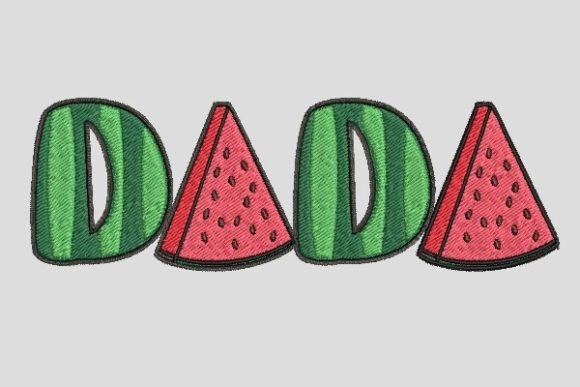
The title Watermelon Dada suggests a playful juxtaposition. "Dada" implies an art movement known for its whimsy and absurdity, while "Watermelon" brings to mind bright pinks, greens, and summer vibes. This combination creates an immediate impression of boldness mixed with charm. It feels less like a traditional farmhouse script and more like a modern, slightly quirky statement piece. For the Etsy seller or boutique maker looking to add a touch of personality to their inventory, this design hits the sweet spot between cute and artistic. It promises to transform simple fabrics into something that requires a second look.
First Impressions and Visual Appeal
When evaluating any embroidery file for commercial use, the first thing I look for is how it translates from screen to fabric. The description mentions adding a "touch of whimsy and charm," which is exactly what Watermelon Dada delivers. In a crowded booth filled with generic patterns, this design stands out because of its likely vibrant color palette and unique typography. It does not feel minimal; instead, it has a decorative quality that works well as a focal point.
I envision this design not just as a small accent, but as a centerpiece for larger items. The name itself suggests a graphic element that could be large enough to dominate a tote bag or perfectly sized to sit on the chest of a denim jacket. For the handmade product market, visual impact is everything. If a customer walks by your booth and sees Watermelon Dada embroidered on a crisp white tea towel, they will stop. The contrast of the colors against neutral backgrounds will photograph beautifully for your online listings, making it a strong asset for printable mockups and social media marketing.
Product Versatility: Where Does It Shine?
One of the most critical factors for a successful craft fair product line is versatility. You need designs that can be applied to multiple items without losing their appeal. Watermelon Dada excels here. My analysis suggests it would perform exceptionally well on several key categories:
- Tote Bag Design: A canvas tote bag featuring this design would be an instant bestseller. The size of the bag provides ample space for the design to breathe, allowing the whimsical nature of the artwork to shine. It appeals to shoppers looking for functional yet stylish accessories.
- Apron Embroidery: Kitchen aprons are high-margin items at craft fairs. Stitching Watermelon Dada on the bib of a linen apron adds a burst of color that complements home cooking aesthetics. It turns a utilitarian item into a gift-worthy piece.
- Tea Towel Embroidery: These are classic booth staples. The design's charm fits perfectly on a kitchen towel, appealing to those who love home decor with a sense of humor. It makes for an excellent impulse buy.
- Embroidered Patch: If you have the capability to cut and back the design, it could serve as a trendy iron-on patch for jackets or bags, expanding your product range significantly.
- Pillow Covers and Home Decor: As mentioned in the product description, pillows are a natural fit. The design adds a pop of seasonal color to living rooms, making it perfect for summer-themed collections.
While the category is listed as Father, which might seem unusual for a watermelon theme, it could be interpreted as a fun, lighthearted gift option for dads who enjoy grilling or gardening. However, the primary draw is its broad appeal across all demographics, making it a safe bet for general audiences.
Production Realities and Selling Points
For the digital embroidery file creator or the small shop owner, efficiency is key. Watermelon Dada appears to be designed for batch production. Its clear lines and distinct shapes suggest it should stitch up cleanly, provided you follow standard protocols. The design feels repeatable, meaning you can create a run of five identical items without the process feeling tedious.
Photography is another major selling point. A well-executed finished product featuring this design will look premium in photos. The whimsical elements will translate well to flat lays and lifestyle shots, helping you drive traffic to your Etsy listings. Customers want to see that the texture of the thread enhances the fabric, and a design with good definition will show off that quality.
Careful-Use Notes and Potential Pitfalls
However, every designer knows that a beautiful file does not guarantee a beautiful result. Before you commit to mass production, there are practical considerations you must address. First, consider the stitch density. If the design contains dense areas of stitching, it may require a heavier stabilizer to prevent puckering, especially on thinner fabrics. If you plan to use this on a thick fabric like heavy canvas, ensure the needle can penetrate the material without breaking threads.
Another critical factor is the hoop size. If the design is intended to be a large focal point, you will need a hoop that accommodates the full dimensions without cutting off parts of the artwork. Conversely, if you try to scale it down too much for a small pouch or a cap, you risk losing clarity. Tiny details and small lettering can get lost in the stitches if the resolution isn't high enough.
Thread contrast is also vital. On dark fabrics, the design might lose its "whimsy" if the thread colors do not pop. You may need to use underlay techniques or specific thread types to ensure the Watermelon Dada design remains visible and vibrant. Always test on scrap fabric before committing to your final product to check for any issues with fabric texture or thread tension.
Professional Designer Recommendations
To ensure your commercial embroidery venture with Watermelon Dada is successful, I recommend following these steps:
- Test Thoroughly: Run the design on scrap fabric using the same thread and stabilizer you plan to use for the final product. This reveals potential issues with registration or density.
- Check Thread Colors: Ensure the available thread colors match the vibrant intent of the design. Muted tones might dull the effect.
- Review Spacing: Confirm that the spacing allows for proper placement on your chosen items, whether it is a centered logo on a tote or a corner detail on a pillow.
- Create a Mockup: Produce at least one real physical sample to photograph. Digital renderings are great, but customers want to see the actual stitch work.
- Confirm Licensing: Before selling finished products, verify the commercial licensing terms associated with the embroidery design. Some files allow personal use only, while others permit commercial sales.
In conclusion, Watermelon Dada is a promising addition to any small shop product lineup. Its blend of whimsy and modern style makes it highly attractive for craft fair attendees and online buyers alike. By paying attention to production details like stabilizer choice and thread contrast, you can turn this digital asset into a standout handmade gift that drives sales and builds your brand. Whether you are a seasoned pro or a creative entrepreneur just starting out, this design offers the potential to elevate your booth display and engage customers with its unique charm.